
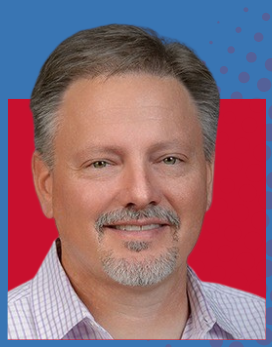
Tim Allen works in business development for A3 Environmental Consultants.
James Harmon has 35 years in software development and corporate training for tech. Both are Artificial Intelligence enthusiasts.
1. "311 Complaint Triage + Work Order Generator"
Upload a CSV of 50 citizen complaints (potholes, streetlight outages, water main leaks). Claude categorizes by department, assesses urgency, clusters related complaints (3 pothole reports on the same block = 1 work order), drafts work orders, and generates a summary dashboard. Finish by asking it to draft a status update email to the city manager.
Why it kills: Every PW director deals with this daily. Watching AI triage 50 complaints in 30 seconds and catch duplicates is a jaw-drop moment.
2. "Infrastructure Inspection Report Analyzer"
Upload 5-10 bridge/culvert/road inspection PDFs. Claude extracts condition data into a structured table, flags "poor" or "critical" ratings, compares to last year, prioritizes repairs, generates a one-page executive summary for the PW committee.
Why it kills: They're drowning in PDF inspection reports nobody synthesizes. Hawaii DOT saved $900K using AI-analyzed road condition data.
3. "RFP Draft Generator from Project Specs"
Give Claude a one-paragraph project description ("Replace 2.3 miles of 8-inch water main on Oak Street, $1.8M budget, prevailing wage"). It generates a complete RFP draft — scope, specs, evaluation criteria, insurance requirements, prevailing wage language. Then upload the city's standard boilerplate and merge.
Why it kills: RFP writing is one of the most time-consuming tasks in PW. A 90% complete RFP in 60 seconds makes the value instantly tangible.
Three live AI (Claude Code) demos show how to triage citizen complaints, synthesize inspection data, and draft RFPs in minutes instead of hours. No tech background needed — just bring your skepticism. Walk away with tools you can use Monday morning
SAFETY CONFERENCE
HEALTH CONFERENCE
ENVIRONMENTAL CONFERENCE
SAFETY CONFERENCE
HEALTH CONFERENCE
ENVIRONMENTAL CONFERENCE
Each year, the conference brings together 450-500 professionals from 29 states, 142 Illinois communities, and 3 countries, representing 465 companies across 26 industries all with a shared goal: advancing environmental stewardship, workplace safety, and public health
If you are, or
if you know of someone
who is an excellent presenter,
please consider our
2026 conference.